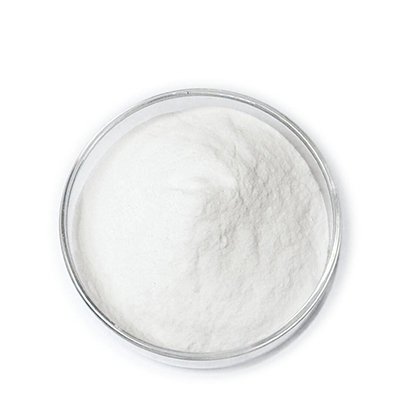
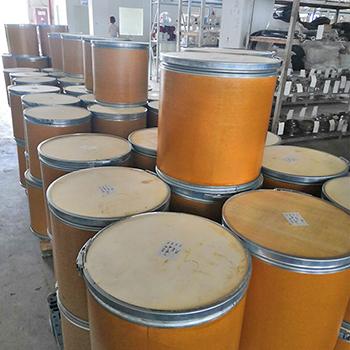
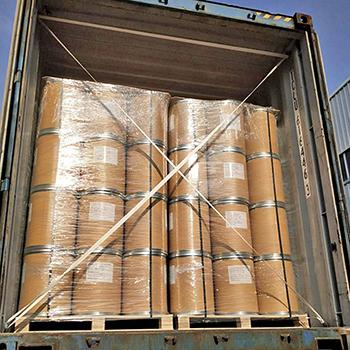

Product Name:Ammonium Sulfate
CAS:7783-20-2
Chemical Formula:(NH4)2SO4
Molecular Weight:132.14
Appearance:Fine white powder crystals
Purity:99%

Product Name:Ammonium Sulfate
CAS:7783-20-2
Chemical Formula:(NH4)2SO4
Molecular Weight:132.14
Appearance:Fine white powder crystals
Purity:99%
Ammonium Sulfate ((NH4)2SO4), available on the Stanford Advanced Materials (SAM) platform, exhibits distinctive properties essential for numerous applications. This compound, characterized by its white crystalline structure, is highly soluble in water and widely used as a nitrogen fertilizer in agriculture due to its high nitrogen content. Additionally, it serves as a reagent in laboratory research, precipitation reactions, and protein purification processes. With its ability to adjust pH levels and facilitate protein crystallization, Ammonium Sulfate plays a crucial role in pharmaceutical synthesis and biochemical studies. Accessible through the SAM platform, it caters to diverse scientific and industrial needs.
Specifications:
| Molecular Formula | (NH4)2SO4 |
| Molecular Weight | 132.14 |
| Density | 1.7 g/cm3 |
| Melting Point |
235-280℃ |
| Water Solubility | 74.4 g/100 mL (20℃) |
Applications:
1. Agriculture: It is commonly used as a nitrogen fertilizer in agriculture to provide essential nutrients for plant growth and improve soil fertility.
2. Industrial Processes: Ammonium Sulfate catalyzes numerous industrial processes, including the production of chemicals, pharmaceuticals, and food additives.
3. Water Treatment: It is utilized in water treatment plants to adjust pH levels and remove pollutants, such as heavy metals, from wastewater.
4. Food Additive: In the food industry, it is used as a dough conditioner and yeast nutrient in baking processes, improving the texture and quality of baked goods.
5. Fire Retardant: It is sometimes used as a fire retardant in firefighting foams due to its ability to suppress flames and cool surfaces.
6. Laboratory Reagent: Ammonium Sulfate is employed as a reagent in laboratory experiments, particularly in biochemical and protein purification processes.
7. Textile Industry: It is used in the textile industry as a dyeing assistant and flame retardant for fabrics.