
Chemical Name: 4-Aminoacetophenone
CAS No.: 99-92-3
Molecular formula: C8H9NO
Molecular weight: 135.16
EINECS No.: 202-801-2
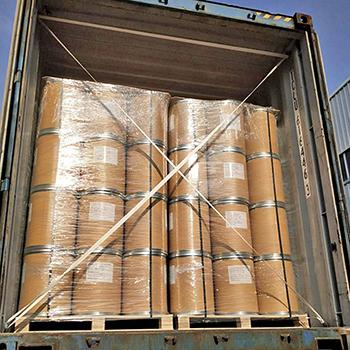
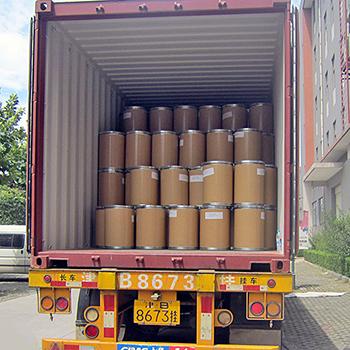
Package:25kg/drum

Chemical Name: 4-Aminoacetophenone
CAS No.: 99-92-3
Molecular formula: C8H9NO
Molecular weight: 135.16
EINECS No.: 202-801-2
Package:25kg/drum
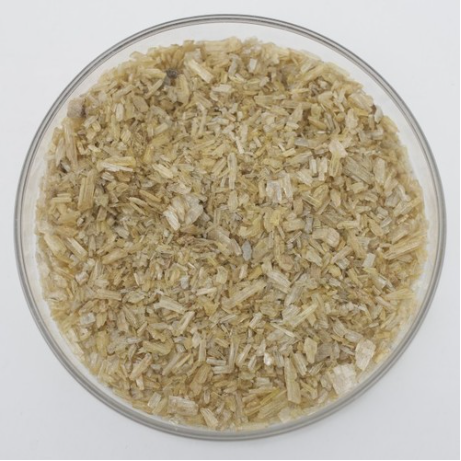
4-Aminoacetophenone, also known as p-aminoacetophenone, with molecular formula C8H9NO and CAS 99-92-3, is a slightly yellow to brown crystalline powder. Easy to dissolve in hot water, ethanol, ether, dilute hydrochloric acid and dilute sulfuric acid, slightly soluble in benzene and cold water. Amino acetophenone has a particularly pleasant odor. Used as a sensitive reagent for the determination of palladium and vitamin B1. A photometric reagent for cerium. The colorimetric determination of sulfonamide drugs is also used in medicine and can be used as a raw material for the production of medical asthma cough suppressants.
Usage:
4-Aminoacetophenone, as an important organic compound, has shown extensive application value in the pharmaceutical field. Its unique chemical structure and biological activity make it a key intermediate for the synthesis of various drugs. The following are its main uses:
Application
These compounds can achieve control goals by interfering with the feeding behavior of pests or inhibiting their growth and development. Compared with traditional insecticides, they have novel mechanisms of action and minimal impact on natural enemies of pests. 4-Aminoacetophenone derived insecticides can also be compounded with other types of insecticides to achieve synergistic effects. For example, when combined with pyrethroid insecticides, the insecticidal spectrum can be expanded, the control effect on different types of pests can be improved, and the use of a single agent can be reduced, thereby reducing environmental pollution.
It can be used to synthesize fungicides against various fungal diseases. By introducing specific functional groups such as sulfonamide and triazole groups into its molecules, it is possible to enhance its destructive effect on fungal cell walls or inhibit fungal respiratory metabolism processes. These fungicides have good control effects on common fungal diseases such as wheat rust, rice sheath blight, and apple scab. In addition to being effective against fungal diseases, fungicides based on 4-Aminoacetophenone also have certain preventive and therapeutic effects on certain bacterial diseases. Through structural optimization, compounds with inhibitory activity against plant pathogenic bacteria can be developed, providing a new option for the prevention and control of plant bacterial diseases.
Application as a pesticide additive
In pesticide emulsifiable concentrates, it can be used as an auxiliary component of surfactant to improve the stability and wettability of lotion. It can reduce surface tension, allowing pesticides to better adhere to plant surfaces and improve the utilization rate of drug efficacy. At the same time, it can also enhance the permeability of pesticides, making it easier for active ingredients to penetrate the plant’s epidermis and enter the plant’s body to exert their therapeutic effects. During the storage and transportation of pesticide formulations, 4-Aminoacetophenone can serve as a stabilizer to prevent the decomposition and precipitation of pesticide components. The amino and ketone groups in its molecular structure can form hydrogen bonds or other interactions with pesticide molecules, stabilizing the structure of pesticides and extending their shelf life. By compounding or modifying with 4-Aminoacetophenone, the physicochemical properties such as solubility, stability, and dispersibility of pesticides can be improved. For example, combining 4-Aminoacetophenone with certain surfactants can prepare pesticide formulations with better wetting and spreading properties, improving the effectiveness of pesticide use.
Application in the preparation of organic dyes
UV absorbing dyes play an important role in protecting materials from UV radiation damage. It can introduce functional groups with ultraviolet absorption through specific chemical reactions, such as reacting with compounds containing carbonyl, cyanide, and other functional groups. For example, dyes with high UV absorption properties can be synthesized by reacting with compounds containing benzotriazole structures. This type of dye is widely used in fields such as plastics, coatings, textiles, etc. It can effectively prevent materials from aging and discoloration due to ultraviolet radiation. Photogenic dyes have important application value in photolithography technology, optical storage, and other fields. Dye molecules with photosensitive properties can be formed through photochemical reactions or by combining with other photosensitive groups. For example, under light conditions, 4-Aminoacetophenone derivatives can undergo photolysis reactions, producing free radicals or other active intermediates, thereby triggering chemical reactions and achieving information recording and storage.