Assay: 99%;96%
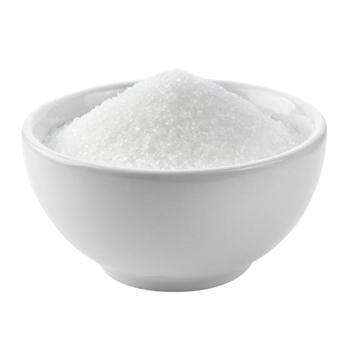
Appearance: White crystalline powder
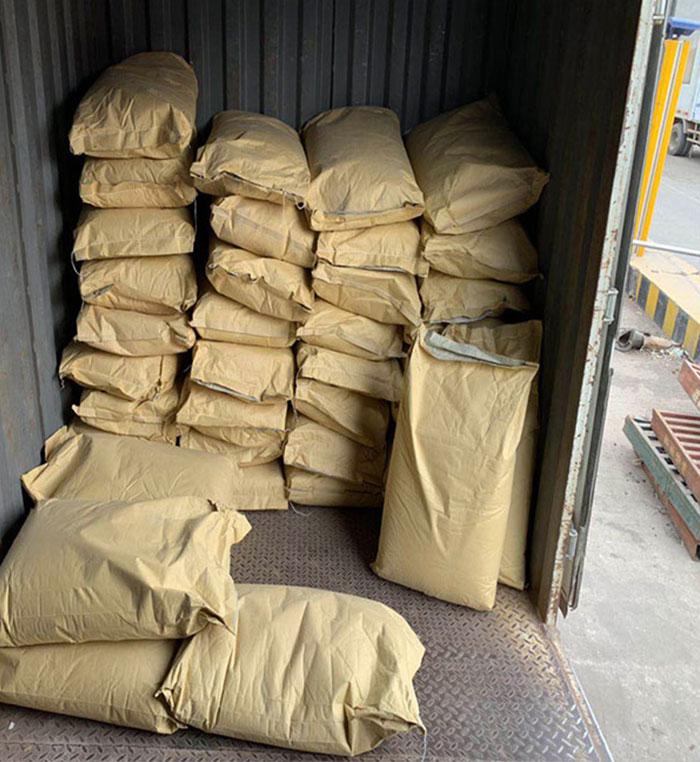
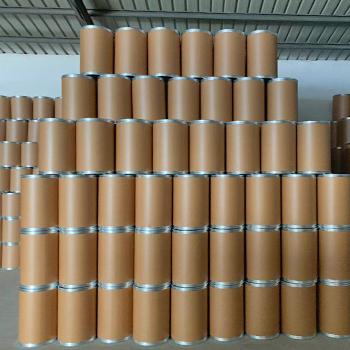
Packaging: 25kg/drum , 25kgs/bag
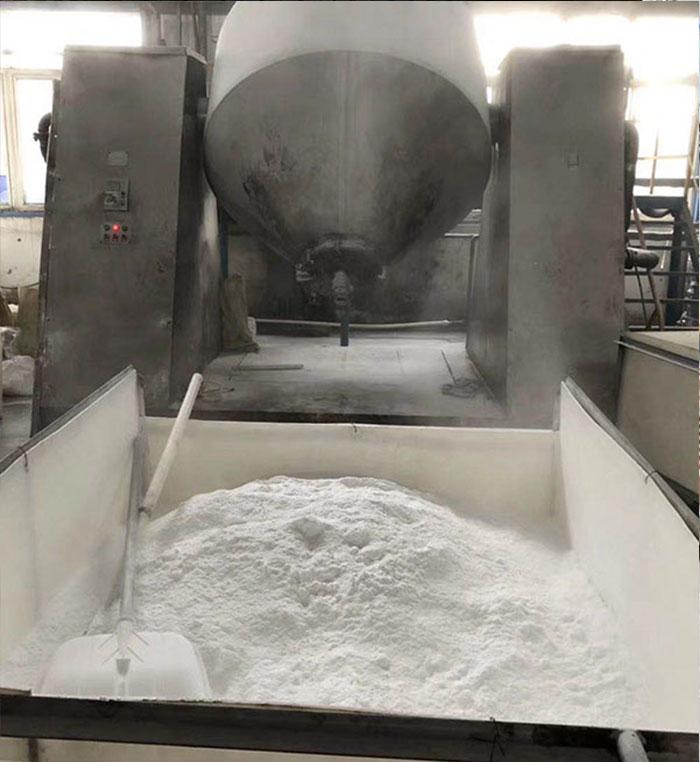
Capacity: 3000MT/year
Sample: Available

Assay: 99%;96%
Appearance: White crystalline powder
Packaging: 25kg/drum , 25kgs/bag
Capacity: 3000MT/year
Sample: Available
Quick Details
Chemical Name: 2-Imidazolidone; Ethylene Urea
Other name: Ethylene Urea; imidazolidin-2-one; 2-Imidazolidinone; ethyleneurea; N,N’-Ethyleneurea; 1,3-ethylene-ure; 1,3-Ethyleneurea; 2-Oxoimidazolidine; Ethylenurea; Imidazolid-2-one; Imidazoliden-2-one; imidazolidine-2-one; Imidazoline-2-one
CAS No.: 120-93-4
Molecular Fomula:C3H6N2O
Molecular weight:86.09
Chemical Structure:
Appearance: White crystalline powder
Assay: 99% ;,96%
Typical Properties
| Items | Specification |
| Appearance | White crystalline powder |
| Assay, % | ≥99.0 |
| Solubility | Easily soluble in water |
| Melting point,°C | ≥129.0 |
| Loss on Drying, % | ≤0.50 |
Usage
Ethyleneurea (CAS 120-93-4), also known as 2-Imidazolidinone, is a versatile chemical compound with a variety of uses across different industries. Here are some of its primary applications:
1. Textile Industry:
Formaldehyde Scavenger: One of its most significant uses is as a formaldehyde scavenger in textile finishing. Formaldehyde is often used in resins to impart wrinkle resistance and other properties to fabrics. Ethyleneurea reacts with free formaldehyde, reducing its release from textiles, which is important for consumer safety and environmental regulations.
Resin Component: It can also be a component in certain textile resins, contributing to the durability and performance of fabric finishes.
2. Adhesives and Resins:
Urea-Formaldehyde Resins: Ethyleneurea can be incorporated into urea-formaldehyde (UF) resins, which are widely used in wood products (e.g., particleboard, MDF), as well as in adhesives and coatings. Its inclusion can help improve the properties of these resins, such as reducing formaldehyde emissions and enhancing curing characteristics.
Other Resin Systems: It can also find use in other resin systems where its chemical structure can contribute to desired properties.
3. Agriculture:
Slow-Release Fertilizers: Ethyleneurea can be a component in some slow-release nitrogen fertilizers. When combined with urea and formaldehyde, it forms compounds that release nitrogen gradually, providing a sustained nutrient supply to plants and reducing nutrient loss.
Plant Growth Regulators: In some cases, it may be used as an intermediate in the synthesis of certain plant growth regulators.
4. Pharmaceuticals:
Chemical Intermediate: Ethyleneurea serves as a chemical intermediate in the synthesis of various pharmaceutical compounds. Its reactive sites allow for further chemical modifications to create active pharmaceutical ingredients (APIs) or other drug precursors.
5. Coatings and Paints:
Crosslinking Agent: It can be used in some coating formulations as a crosslinking agent or as a component in resins that provide properties like hardness, flexibility, and chemical resistance.
Formaldehyde Reduction: Similar to textiles, it can help reduce formaldehyde emissions from certain coating systems.
6. Other Chemical Synthesis:
Specialty Chemicals: Ethyleneurea is a building block for synthesizing other specialty chemicals due to its unique heterocyclic structure. It can be involved in reactions to create a range of derivatives with specific applications.
In summary, ethyleneurea’s utility stems from its ability to react with formaldehyde, its role as a component in various resin systems, and its versatility as a chemical intermediate.
Packing
25KG chipboard drum lined with double-layer polyethylene film.
Storage
Keep away from fire and heat. Sealed and stored in a cool, dry environment, protected from moisture. Avoid coexistence with oxides.